

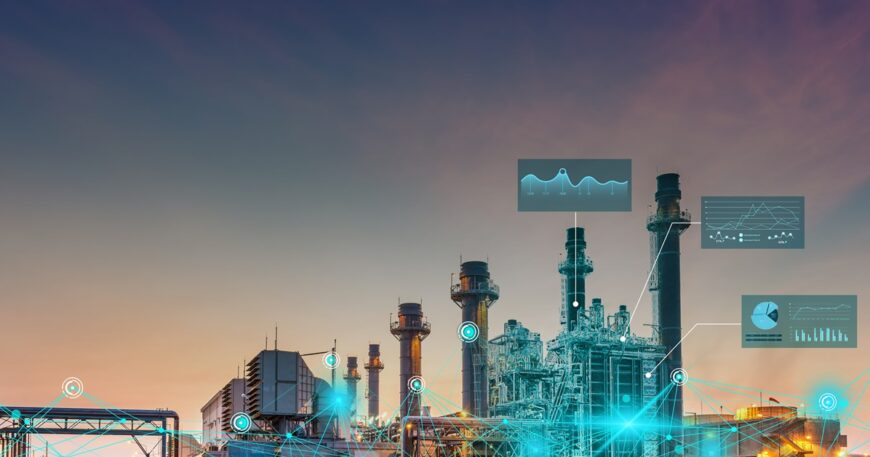
The oil and gas industry is undergoing a significant transformation driven by advancements in digital technology. From exploration and production to distribution and safety management, digital tools are reshaping the way the industry operates. This article examines the impact of digital transformation on the oil and gas sector, highlighting key technologies, their benefits, and the future outlook for the industry.
Key Technologies Driving Digital Transformation
- Artificial Intelligence and Machine Learning
Artificial Intelligence (AI) and Machine Learning (ML) are revolutionizing the oil and gas industry by enhancing decision-making processes, optimizing production, and improving predictive maintenance. These technologies analyze vast amounts of data to identify patterns and predict equipment failures, reducing downtime and operational costs. - Big Data and Analytics
The ability to collect and analyze large datasets is critical for the oil and gas industry. Big Data analytics allows companies to monitor operations in real-time, optimize resource allocation, and improve exploration accuracy. By leveraging data-driven insights, companies can make more informed decisions and increase operational efficiency. - Internet of Things (IoT)
IoT technology enables the connection of devices and sensors across oil fields, pipelines, and refineries. This connectivity allows for continuous monitoring of equipment, environmental conditions, and safety parameters. IoT solutions enhance operational visibility, enabling companies to respond quickly to potential issues and improve safety standards. - Cloud Computing
Cloud computing offers scalable and flexible solutions for data storage, processing, and collaboration. The oil and gas industry is increasingly adopting cloud-based platforms to streamline operations, reduce IT costs, and facilitate remote work. Cloud technology also supports advanced analytics and AI applications, driving further innovation in the sector. - Digital Twins
Digital twin technology creates virtual replicas of physical assets, such as oil rigs and pipelines. These digital models allow companies to simulate operations, predict equipment behavior, and plan maintenance activities. Digital twins improve asset management, reduce risks, and enhance operational efficiency.
Benefits of Digital Transformation in Oil & Gas
- Increased Operational Efficiency
Digital technologies enable companies to optimize their operations by automating processes, reducing manual intervention, and improving resource utilization. This increased efficiency leads to lower operational costs and higher profitability. - Enhanced Safety and Risk Management
Safety is a top priority in the oil and gas industry. Digital tools, such as IoT sensors and AI-driven analytics, enhance safety by providing real-time monitoring and predictive insights. These technologies help companies identify and mitigate potential risks before they lead to accidents or disruptions. - Sustainability and Environmental Impact
The oil and gas industry is under increasing pressure to reduce its environmental footprint. Digital solutions, such as AI and data analytics, help companies optimize resource use, reduce emissions, and comply with environmental regulations. This focus on sustainability is essential for maintaining industry viability in the long term. - Improved Decision-Making
The ability to access and analyze real-time data allows decision-makers to respond quickly to changing conditions. Digital transformation provides leaders with the tools they need to make more informed, data-driven decisions that enhance performance and drive innovation.
The Future of Digital Transformation in Oil & Gas
- Continued Innovation
The oil and gas industry will continue to see innovation driven by advancements in digital technology. Companies that invest in digital transformation will be better positioned to navigate industry challenges, adapt to market changes, and capitalize on new opportunities. - Integration of Emerging Technologies
The integration of emerging technologies, such as blockchain, 5G connectivity, and advanced robotics, will further enhance the capabilities of the oil and gas industry. These technologies will enable more secure transactions, faster data transmission, and improved automation across the value chain. - Workforce Transformation
As digital technologies reshape the industry, the workforce will also need to evolve. Companies will require employees with new skills in data science, AI, and digital technologies. Investing in workforce training and development will be critical for companies to remain competitive in the digital era.
Conclusion
Digital transformation is driving profound changes in the oil and gas industry, unlocking new levels of efficiency, safety, and innovation. By embracing digital technologies, companies can optimize their operations, reduce environmental impact, and stay ahead in a rapidly evolving market.
Embrace the Future with Our Oil & Gas Training Programs
Our academy offers specialized training courses designed to help professionals in the oil and gas industry navigate the complexities of digital transformation. Explore our programs and equip yourself with the skills needed to thrive in the digital age.